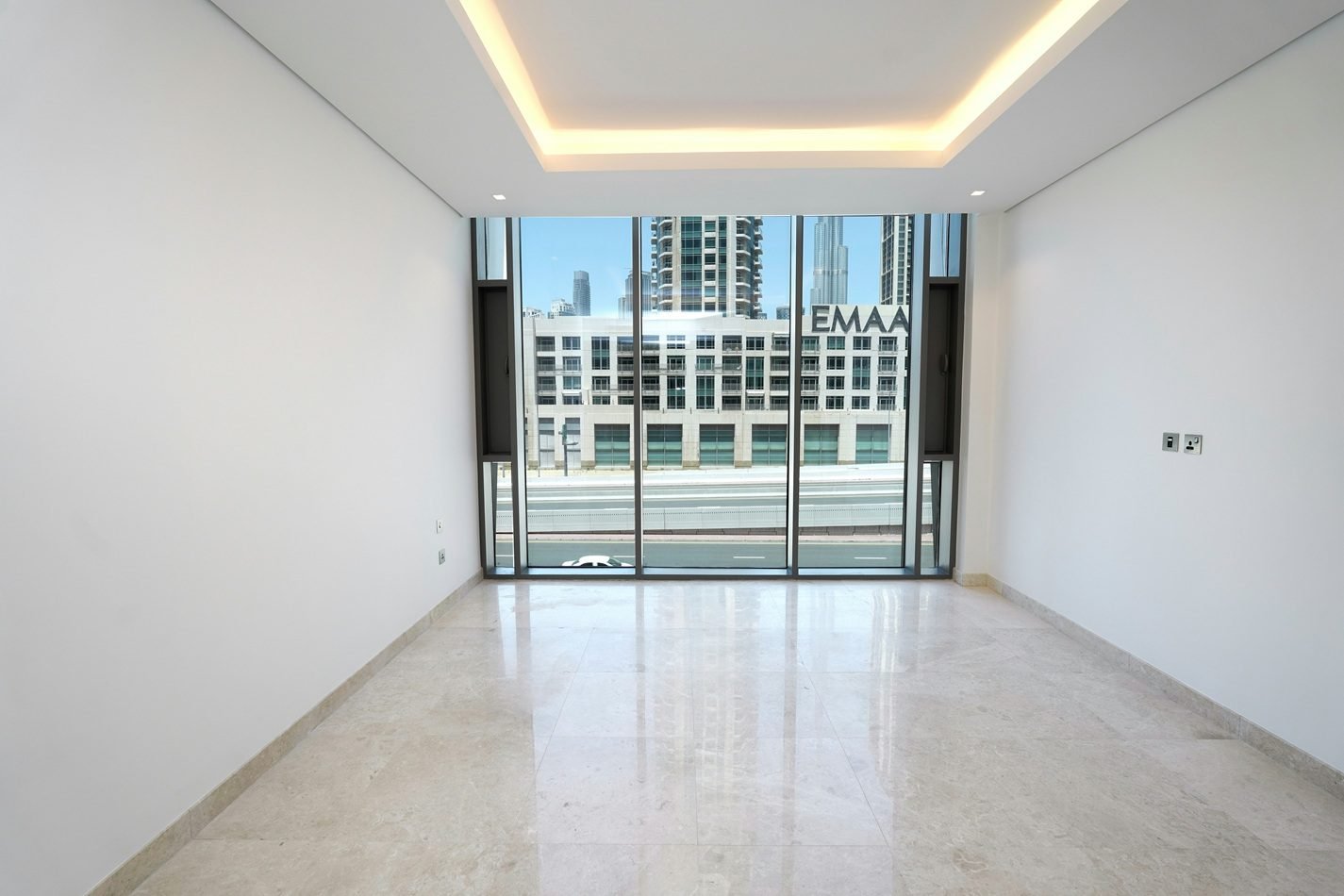
How serious investors “hunt” value without getting trapped
Dubai looks like a market where deals are everywhere—until you try to buy properly. The volume of listings, constant launches, and aggressive marketing can make it easy to move fast and still make a weak decision.
Buying an apartment in Dubai works best when you treat it like a repeatable process: define the objective, filter the market down to the right micro-segment, validate building economics, model net cash flow, and plan the exit before you sign anything. That is how investors “hunt” value in a crowded market—without relying on luck.
This guide breaks down the playbook used by disciplined buyers: what to check, what to ignore, how to compare apartments properly, and where most first-time investors lose money.
What “crowded market” really means in Dubai
Crowded doesn’t just mean “many buyers.” It usually means:
- Many listings with uneven quality
- Many comparable units that look similar but perform differently
- A lot of price noise and headline-driven decisions
- Liquidity that varies sharply by building, layout, and price band
Dubai is not one property market. It’s a set of micro-markets stacked on top of each other. You win by choosing the right micro-market, not by chasing city-wide trends.
Start with strategy, not a listing
Before you open property portals, lock these three variables:
- Objective: income, growth, flexibility (or a blend)
- Holding period: short holds require liquidity; long holds require operational efficiency
- Exit buyer: end-user, investor, or corporate-driven demand
If you can’t describe your exit buyer, you’re not hunting value—you’re just shopping.
The building matters more than the neighbourhood name
Two apartments in the same “top area” can deliver wildly different outcomes because returns are often decided at the building level.
Watch for:
- Service charge transparency and stability
- Maintenance quality and common-area condition
- Lift performance, parking clarity, access control
- Owner-occupier vs tenant ratio (affects churn and wear)
- Management discipline and rule consistency
A famous neighbourhood can’t rescue a building with bad economics.
Deal-hunting: how investors filter apartments fast
Here’s the practical filter investors use to reduce noise without missing opportunities:
The fast filter (unordered list)
- Comparable rents for similar units in the same building/cluster
- Service charges per sq ft (and how stable they’ve been)
- Layout efficiency (rentable space beats “big” space)
- Demand depth (how quickly similar units lease)
- Exit liquidity (how quickly similar units resell)
If a unit fails two or more of these checks, it’s usually not a “deal.” It’s a future headache wearing a discount.
From headline price to real value: the net model
Most buyers overpay because they evaluate apartments using brochure logic: best-case rent, minimal costs, perfect occupancy.
Real investors model the downside.
Ordered checklist: from advertised rent to net cash flow
- Start with conservative rent, not peak listings
- Deduct service charges, maintenance, and realistic upkeep
- Allow for vacancy and leasing friction
- Include management/admin costs if you won’t self-manage
- Stress-test with a downside scenario (rent drop or longer vacancy)
If returns only work under optimistic assumptions, it isn’t a deal—it’s a fragile bet.
Negotiation in Dubai is about terms, not just price
In a busy market, the best “deal” is often created through terms:
- Faster closing in exchange for price adjustment
- Documentation readiness reducing legal/transfer friction
- Furniture or remedial work included
- Clear handover timing and risk allocation
Price matters—but terms determine whether the asset becomes cash-flowing quickly or bleeds time and costs.
The buying process: keep it clean and verifiable
Dubai’s transaction process is centralised, but investors still get caught by rushing.
Focus on:
- Documentation readiness and seller authority
- Official title/ownership verification
- Clear service charge position and building rules
- Clean transfer logistics and realistic completion timelines
Speed helps only when verification is complete.
Location selection: value depends on the objective
“Best area” is meaningless without strategy.
- Income-led buys: stable leasing demand, cost-efficient buildings, tenant depth
- Growth-led buys: differentiated supply, buyer demand durability, quality advantage
- Flexibility buys: liveability + leaseability, to preserve optionality
Strategy should pick the area—not hype.
What usually goes wrong (and how to avoid it)
The most common losses come from predictable mistakes:
- Using peak rent assumptions
- Ignoring service charges and long-term maintenance realities
- Buying a nice unit in a weak building
- Assuming “someone will always buy it later” without defining the exit buyer
- Treating an investment as a lifestyle decision
Crowded markets punish shortcuts. Discipline wins quietly.
Related Guides on Dubai Gateway:
Dubai investment and relocation: a strategic plan
Real Estate Investment in Dubai: A Strategic Guide for 2026
Buying Property in Dubai as a Foreign Investor: Legal Process Explained
Conclusion
Buying an apartment in Dubai is not hard. Buying well is. In a crowded market, “deal-hunting” is simply disciplined investing: choose the right micro-market, verify building economics, model net outcomes, negotiate intelligently, and plan the exit before you commit.
That is how investors consistently find value—without chasing headlines.
FAQ
How do I find a good deal when I buy an apartment in Dubai?
Filter by building economics, realistic rentability, service charges, and exit liquidity—then negotiate terms, not just price.
What should I check first before viewing apartments?
Your objective, holding period, and exit buyer profile. Without those, comparisons are unreliable.
Do service charges really affect returns?
Yes. They directly reduce net yield and can influence tenant demand and resale attractiveness.
What makes one building outperform another in the same area?
Maintenance quality, management discipline, stable service charges, and stronger tenant/owner mix.
Is buying cheap always a good deal?
No. Discounts often hide weak demand, high costs, or poor resale liquidity.